

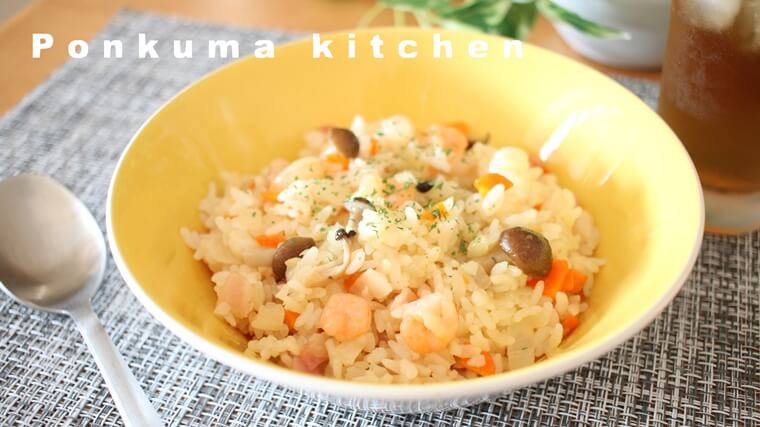
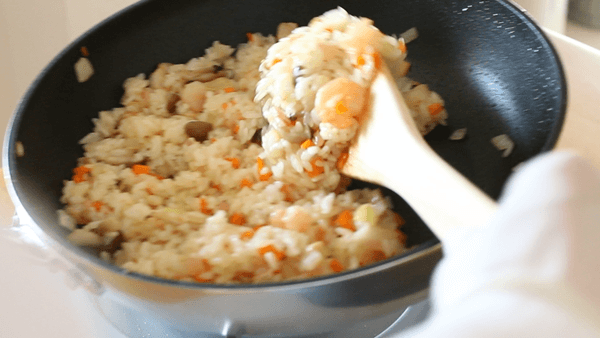
This is my go-to easy and delicious shrimp pilaf, perfect for using up leftover rice! 🍤
The seasoning is simple, so you can easily add your own twist or ingredients — great for beginners too♪
※“Recipe Blog” was a Japanese recipe-sharing site that ended in June 2025.)
Shrimp Pilaf Recipe (*Switch tabs for more)
 Ponkuma
Step-by-step photos included!
witch between the tabs below to check them out
\Switch tabs here/
Ingredients(Serves 2)
| Ingredients | Amount |
|---|---|
| Frozen small shrimp | 100g |
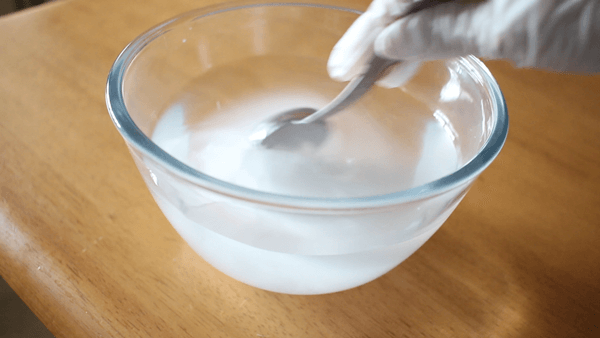
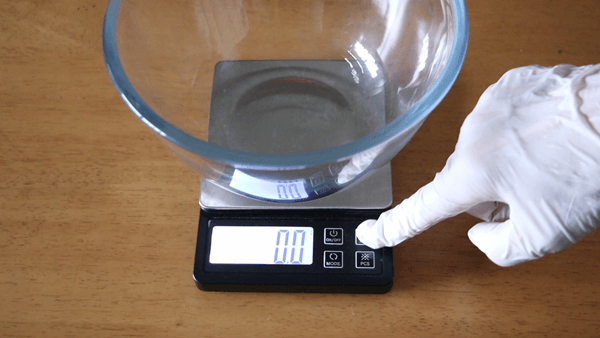
| Salt | 1 tbsp (dissolve in 500ml of water) |
| Garlic (minced) | 1–2 cloves |
| Onion | To taste (about 1/2) |
| Carrot | To taste (about 1/2) |
| Bacon | 1 slice (or 2 half slices) |
| Shimeji mushrooms (separated) | 1/2 pack |
| Cooked rice | 2 bowls |
| Butter or margarine | Enough to coat the rice |
| Cooking sake (optional) | As needed |
| Granulated chicken bouillon | As needed |
| Salt, pepper, and parsley | To taste |
How to Make It
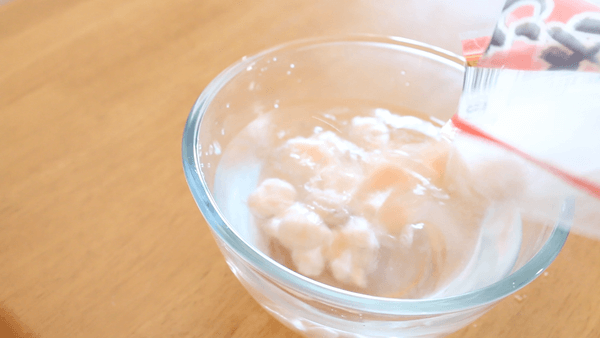
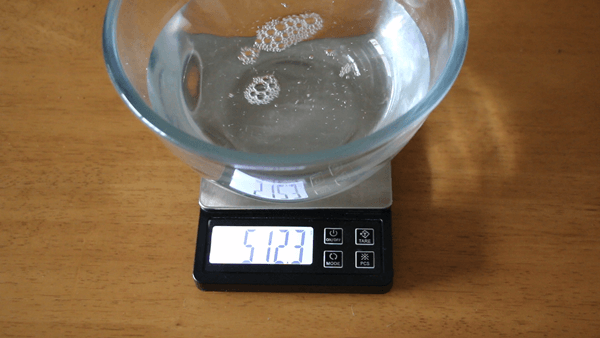
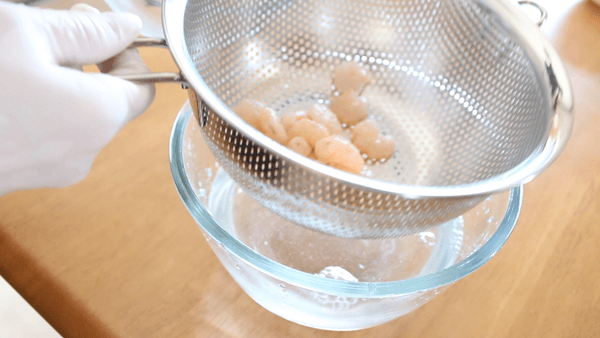
- Defrost the small shrimp (100g) in salted water — 1 tablespoon of salt per 500ml of water.
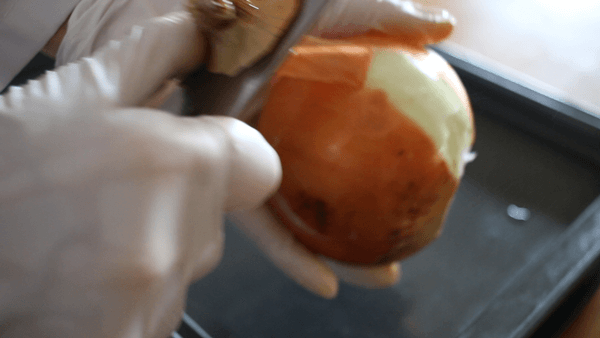
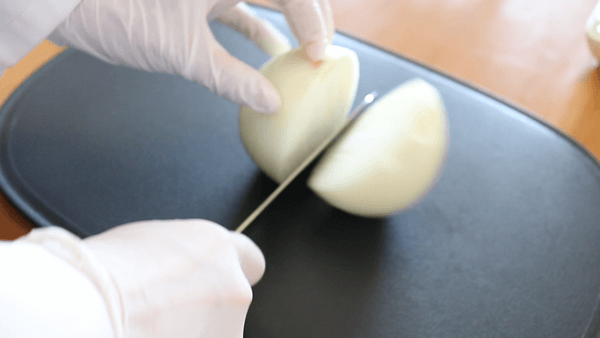
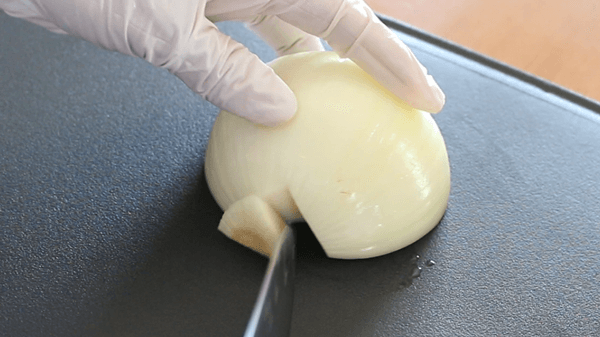
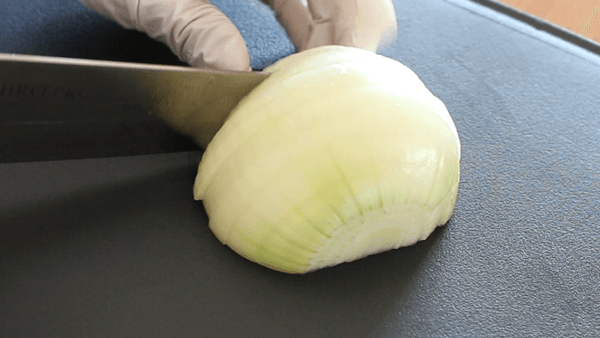
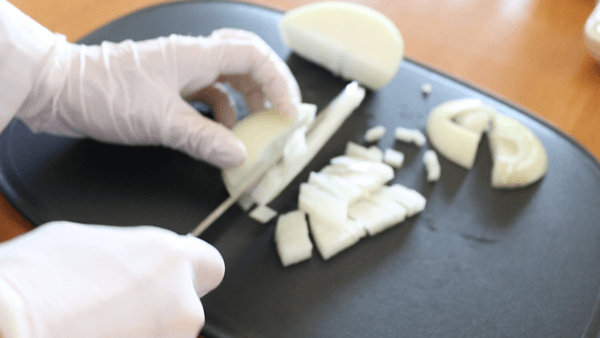
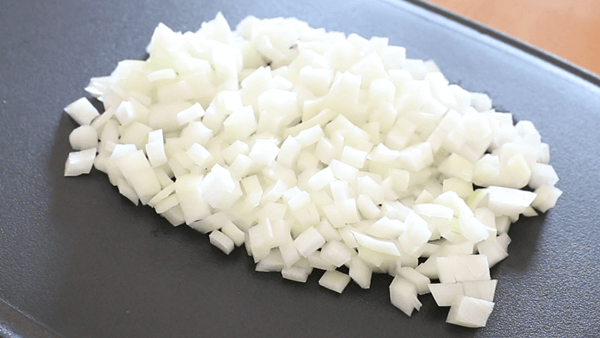
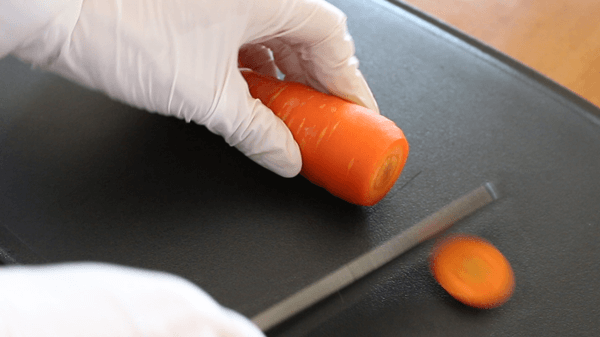
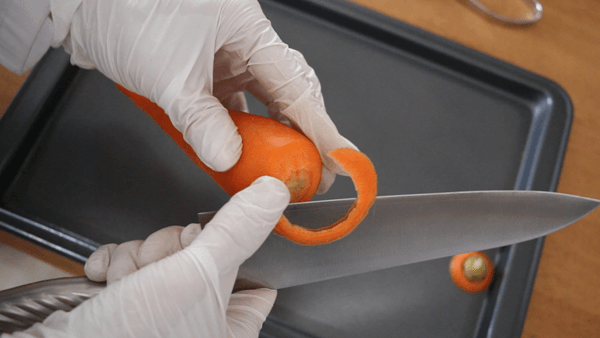
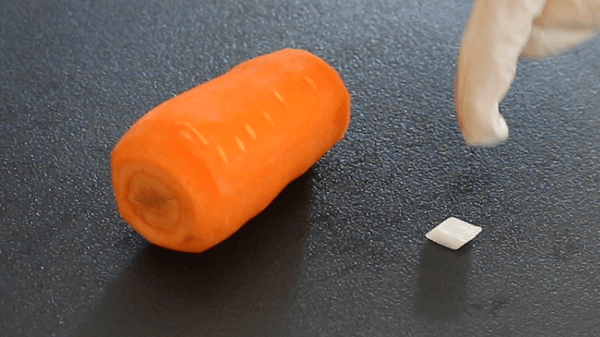
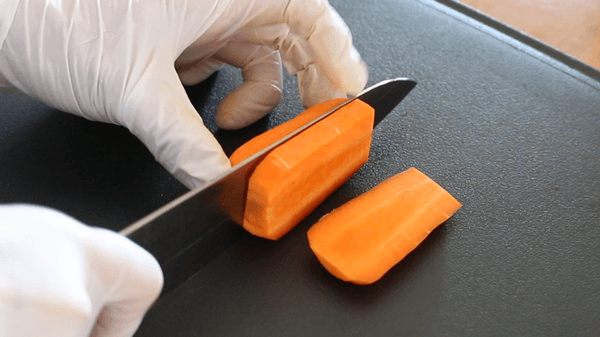
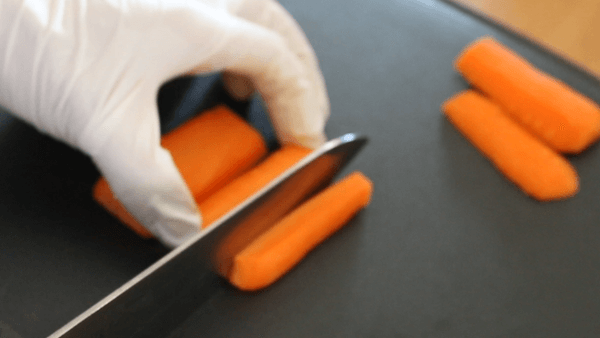
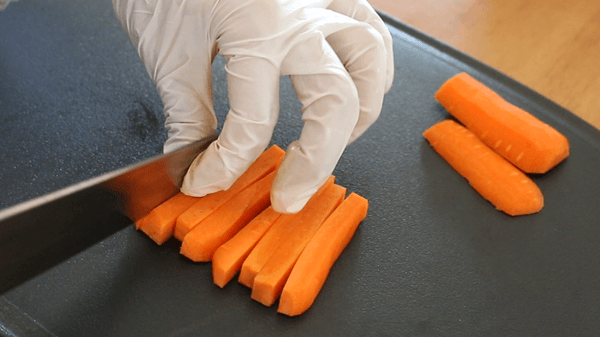
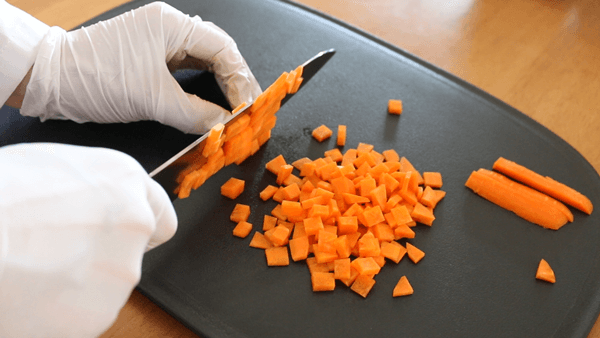
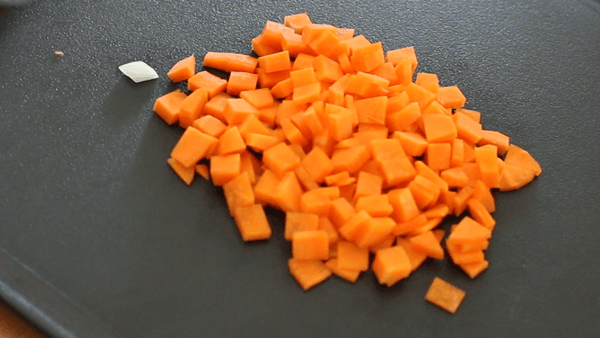
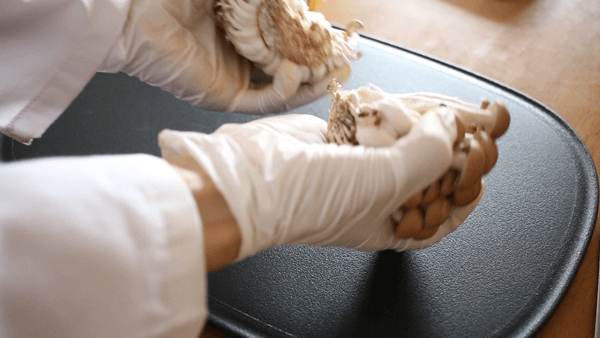
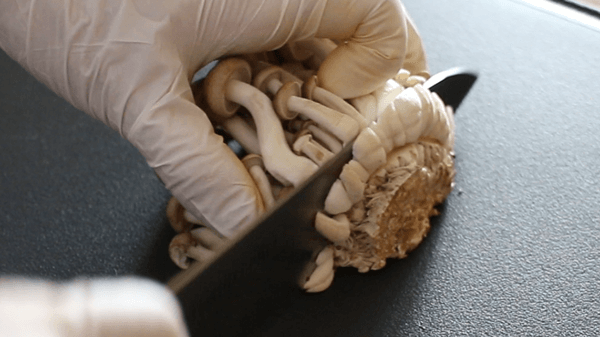
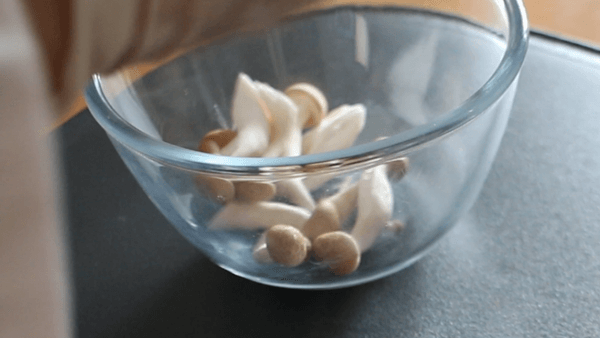
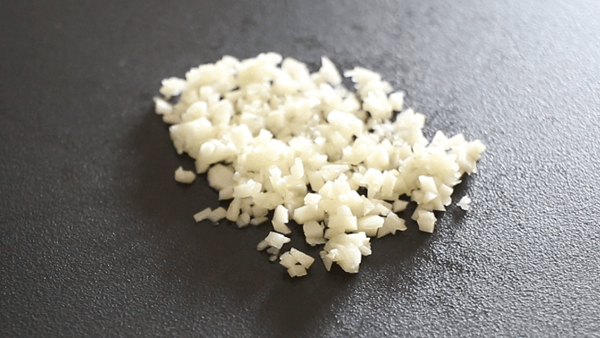
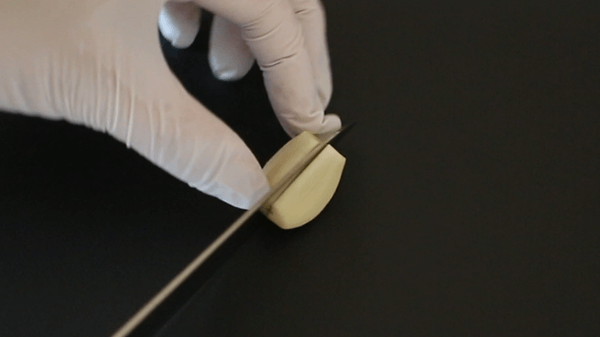
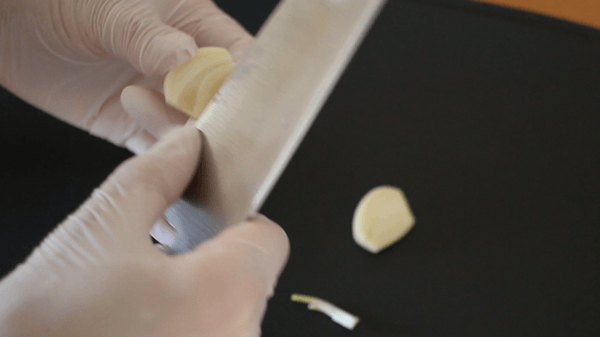
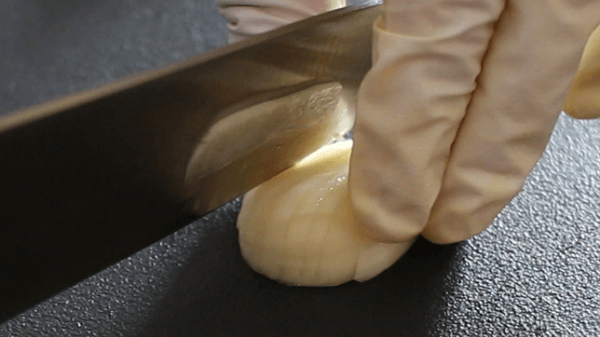
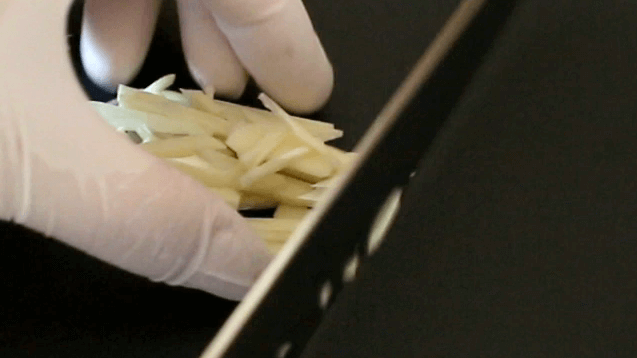
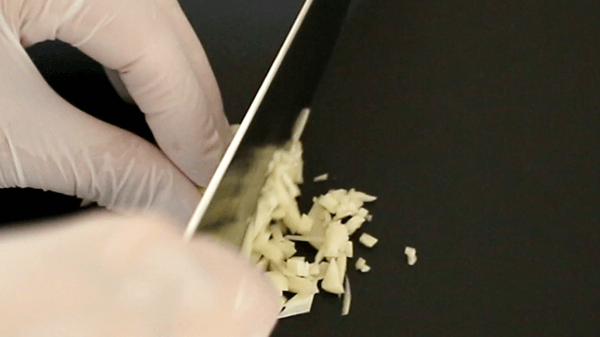
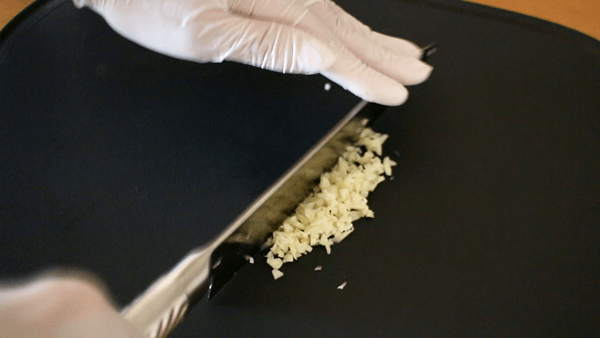
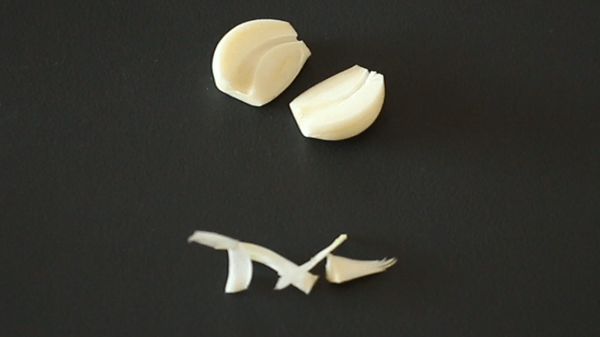
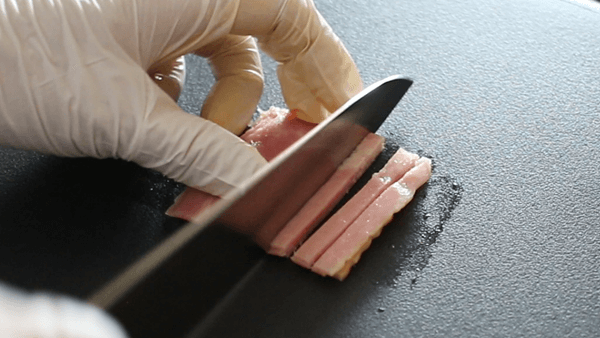
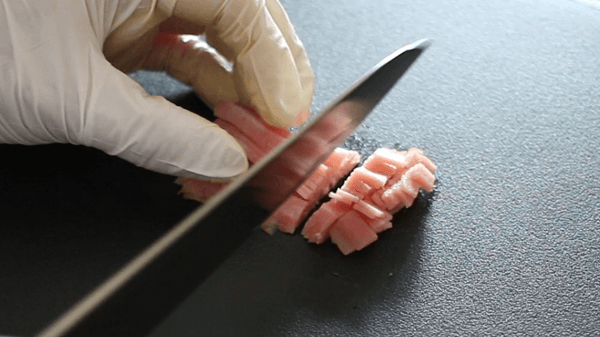
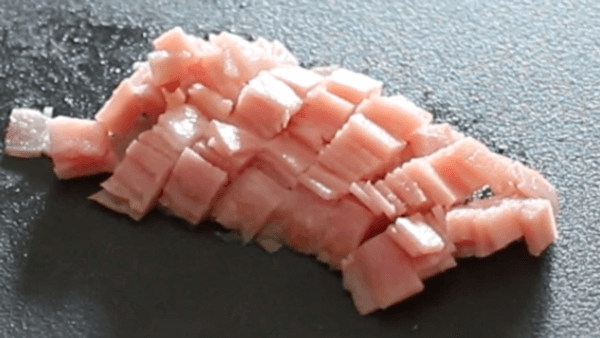
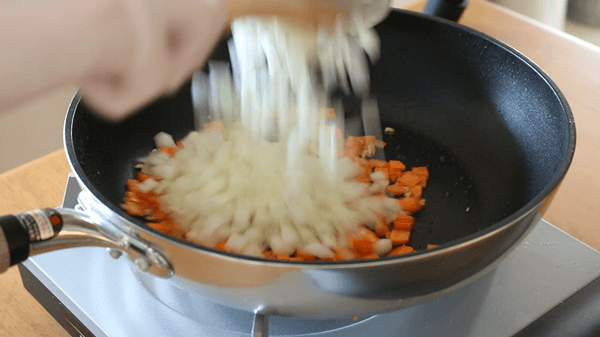
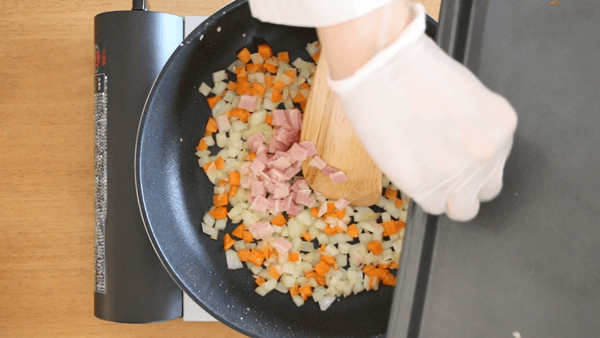
- Cut the onion, carrot, and bacon into bite-sized pieces. Separate the shimeji mushrooms, and mince the garlic.
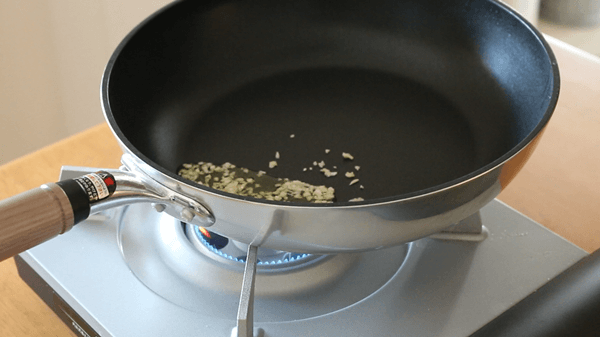
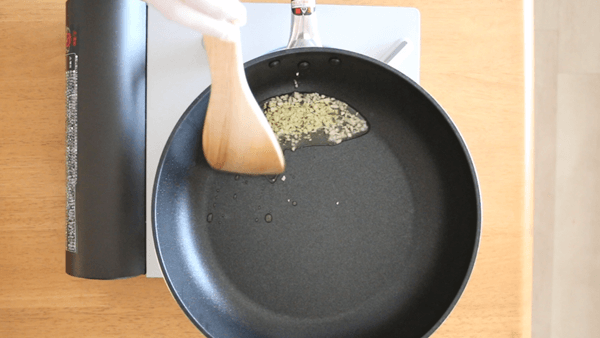
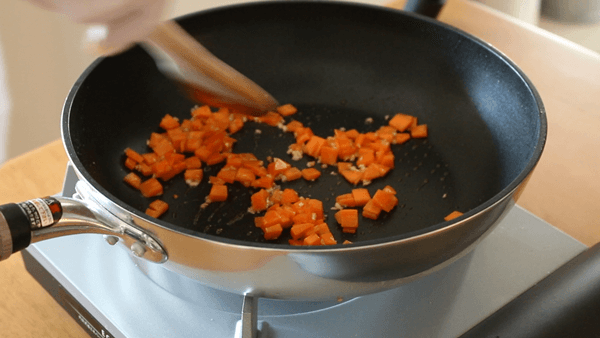
- In a frying pan, heat oil and garlic over low heat until fragrant.
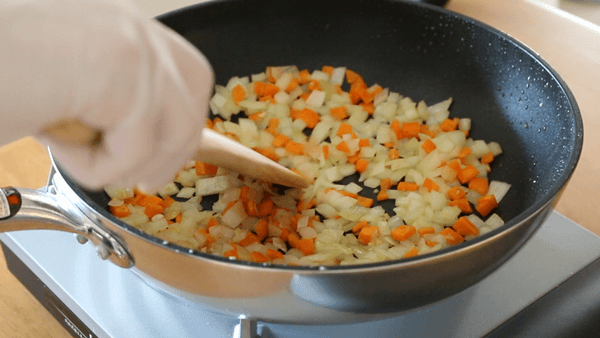
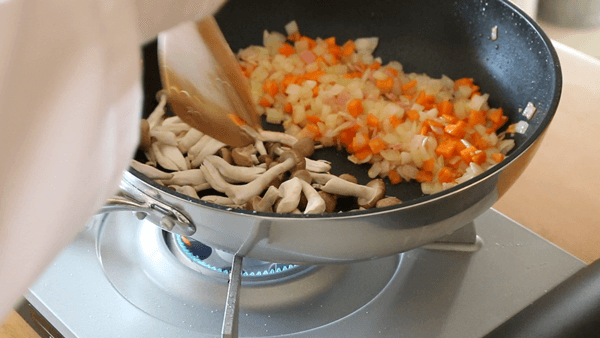
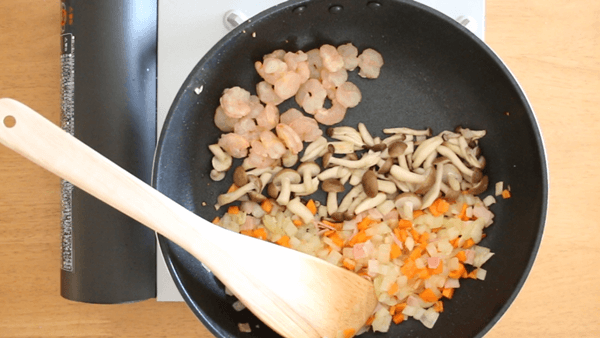
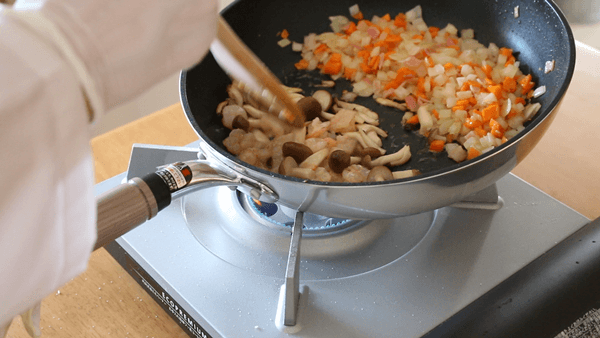
- Add the ingredients in this order: carrot → onion → bacon → shimeji → shrimp.
- Stir-fry and cook through. Add a splash of sake (if using) and a pinch of salt.
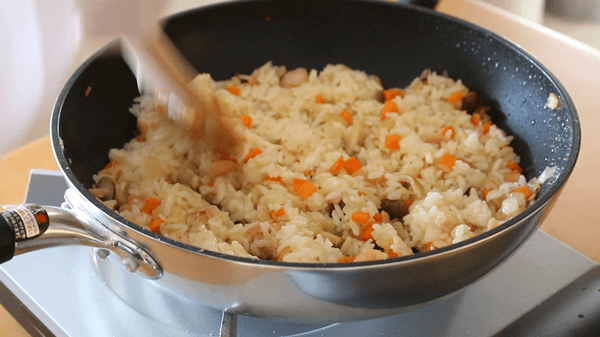
- Add the cooked rice and stir-fry. Mix in butter and chicken stock (or bouillon).
- Adjust the taste with salt and pepper, sprinkle with parsley, and it’s ready to serve♪
 Choco
ChocoHey, why do you add 1 tablespoon of salt to 500ml of water when defrosting shrimp?
PonkumaWhen you defrost shrimp in salt water (about the same salinity as seawater), it keeps the flavor inside and makes the texture firm and juicy!
Seawater has about 3.5% salt — that’s roughly 35g of salt per 1 liter of water.
So for 500ml, it’s about 17g (or 1 tablespoon) — the perfect match!
Chef’s Tip
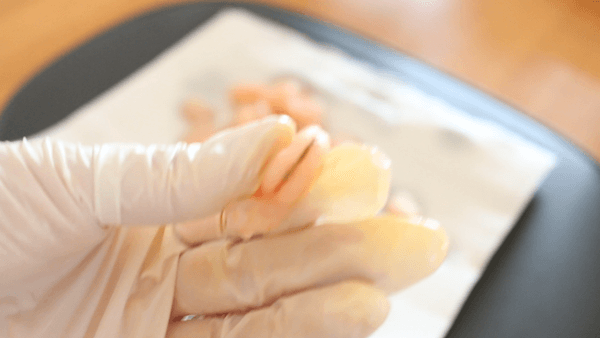
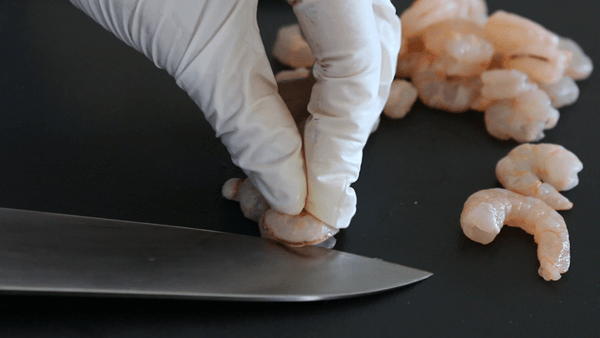
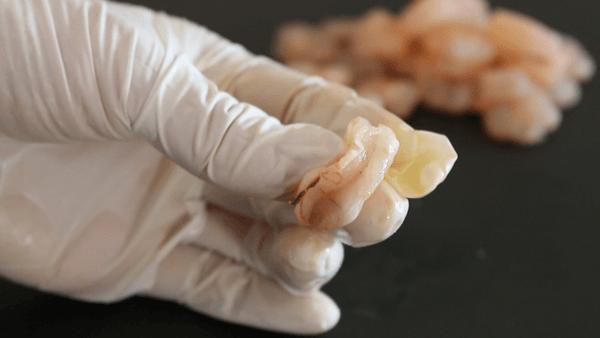
The dark line along the shrimp’s back is its digestive tract, which may contain sand or residue.
It can affect both texture and color, so it’s best to remove it when using medium or large shrimp.
For small shrimp, it’s fine to leave it in — the taste won’t change much.
(At our house, we still remove it because my kids requested it 💦)
- Did you know the origin of pilaf comes from Turkey’s “Pilav”? 🇹🇷
- It later spread to France, where it evolved into the “pilaf” we know today.
- Traditionally, pilaf is made by sautéing raw rice before simmering it,
- which is quite different from fried rice or stir-fried dishes made with pre-cooked rice.
- In Japan, though, many people enjoy the “Japanese-style pilaf” made by seasoning and stir-frying cooked rice — a delicious local twist! ( ´ ▽ ` )